
How To Brief A Video Production Company The Right Way
A great video starts long before the camera rolls. It starts with a clear, well-structured brief.
Yet too often, marketing teams skip straight to the creative and end up with a video that looks good but doesn’t move the needle. When you’re working with a video production company on a one-off, project-based video (not an ongoing retainer), your brief is your blueprint. It’s how you align strategy, creativity, and business outcomes.
Here’s how to brief a video production company the right way so your next project delivers more than just views.
1. Start With The Audience
Every video decision, tone, style, pacing, even length, should be driven by your audience.
Before talking about shots or music, make sure your production team knows:
- Who you’re targeting
- Why you’re targeting them
- What emotional state they need to be in to take action
- What type of action you’re wanting them to take (enquire, buy, refer, follow etc.)
For example, if you’re a sports apparel brand targeting high-performance athletes, your audience is likely motivated by intensity and aspiration. But if you’re promoting a tourism destination, your viewers might respond better to calm, inspiring, or escapist visuals.
Give your production partner clear insights into what drives your customers. The stronger their understanding, the more precise their creative direction and the more likely your video is to connect on an emotional level, and have your viewers take action in the way you desire.

2. Define What Success Looks Like
Video for video’s sake doesn’t cut it. You need to know what success actually looks like before you even create the video.
Ask yourself:
- What is the ultimate goal of this project? (Brand awareness, lead generation, sales conversions, event registrations?)
- What KPIs matter most?
- How does your sales process work, and how will this video support it?
And that last dot point is really critical. Marketing and sales is often seen as two distinct areas. In reality, they overlap more than any other area of your business – whether B2C or B2B.
Let’s say you have a video designed to make viewers buy from your website. It does a really good job and inspires viewers to buy your product. But when they get to your website your checkout page is faulty, and they can’t finalise an order.
Based on that outcome, the video, and therefore your marketing, would be seen as a failure, as you haven’t been able to increase the number of customers buying from you.
But really, this is a sales problem. The marketing did the right job, it drove people to your website to buy. But your website checkout page was faulty and didn’t allow transactions.
So ensuring your sales process is defined and working as it should, is really important for ensuring success when it comes to video.
The clearer you are about what success looks like, the easier it is for your production company to reverse-engineer a video that achieves it.

3. Clarify The Video’s Purpose And Lifecycle
Not all videos are created equal. Some are designed for a single campaign burst, while others are long-term assets that live across multiple channels. Your brief should clearly explain:
- Where the video will be published (website, paid social, YouTube, in-stadium, internal events, broadcast, etc.)
- What versions you need (full-length, cutdowns, square, vertical, with or without subtitles. Do you need a caption file too?)
- How long the video needs to stay relevant (one month vs. one year)
For instance, a short-term recruitment video for a university might focus on a single intake period and have a short shelf life. But a brand story video for a tourism board may need to hold up for several seasons, so the visuals and messaging must be timeless.
A production company can plan your shoot, structure your messaging, and manage your budget far more effectively when they understand the project’s full lifecycle.
4. Context Is Everything
Beyond the creative, production teams need to understand your business context. Share:
- Recent campaign insights or performance learnings
- Brand guidelines and tone of voice
- Any internal expectations (e.g. executive sign-off, stakeholder involvement)
- Your timeline and budget range
This information helps your video partner tailor their approach and avoid costly reshoots or re-edits later.
A handy tip I share with my clients: the earlier you share information, the cheaper it is to act on. Every stage you wait through production adds cost and complexity to fix later.
5. Involve Your Production Partner Early
The earlier you involve your video production team, the stronger your final result will be. Treat them as a strategic partner, not just a supplier. The best creative ideas often come from early conversations before the concept is locked in.
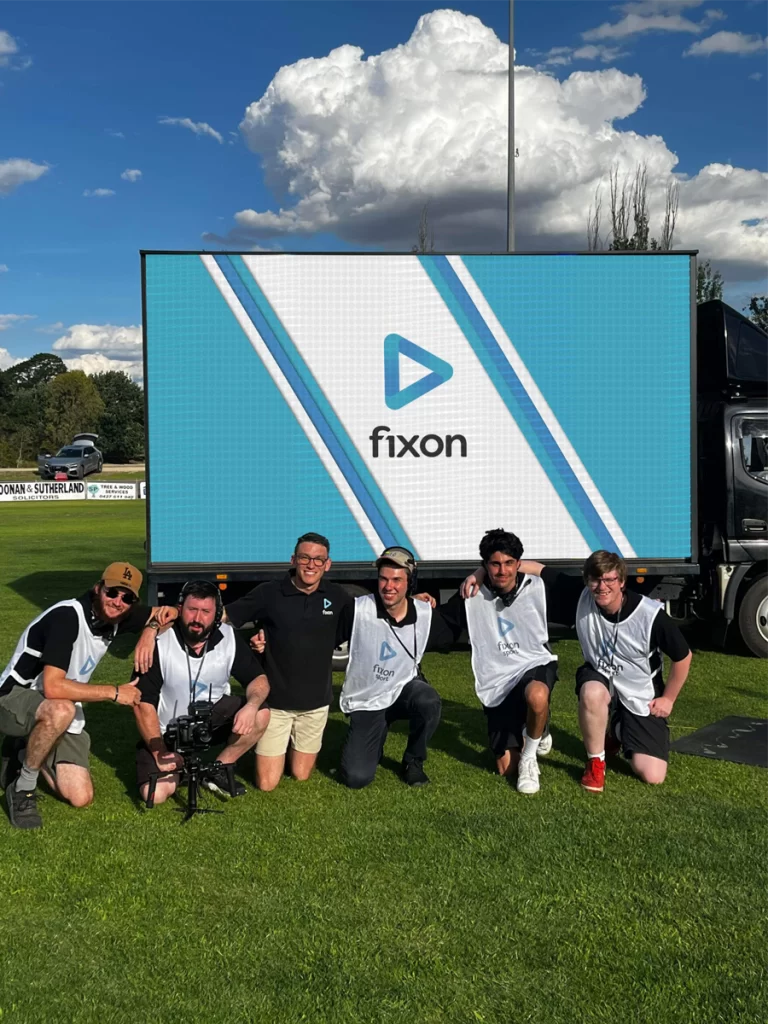
I love when a client engages myself and Fixon Media Group weeks, or even months, before the project filming date. It helps us to refine your messaging, identify visual opportunities, and make sure the story aligns with your business objectives.
This collaboration turns your brief into a working plan that drives measurable outcomes, not just beautiful visuals.
6. Keep It Simple And Focused
Your brief doesn’t have to be long. It just has to be clear. One or two pages that outline the who, what, and why are often enough. A focused brief keeps everyone on the same page and gives your production partner confidence to deliver work that hits the mark.
Final Thoughts
A well-written brief saves time, reduces revisions, and ensures your video aligns with both your creative vision and your commercial goals.
When you brief your production company the right way, you turn video from a marketing expense into a measurable business investment.
Want Some Help In 2025?
At Fixon Media Group, our team specialise in capturing the emotions that resonate with your customers and transforming them into powerful, captivating brand films designed to connect with your audience.
If you’re looking to create impactful brand films and short-form video content in 2025, feel free to get in touch with our Melbourne based video production team.
1 Comment